 Skip navigation
  Previous Page


The Bridges program shows students early on that they’re smarter than they think, and that they can succeed in university. That confidence boost was life-changing for Daniel Mohammed. In high school his “slightly wayward” behaviour led teachers to see him as a disturbance.
Though he had always secretly dreamed of university, his marks weren’t high enough, so he went into the construction trade. But his interest in university only grew. At age 25, he heard about an information night for Spanning the Gaps, and enrolled for the next year.
The gift of a second chance —
Over the past 10 years, Spanning the Gaps was strengthened through the generous contributions of many donors to Ryerson.
In 2010, part of a $750,000 gift from TD Bank Group supported the Road to Ryerson program within Spanning the Gaps, which gives high school students who “just missed” getting into Ryerson a second chance at post-secondary education.
William and Phyllis Waters gave Spanning the Gaps true momentum in 2008 with a gift of $1 million. By providing financial support for students and enhancing program opportunities, they gave access to education for many youths and adults.
An entrepreneur and respected academic, Bill Waters spoke at the time of the gift about the importance of helping others get a education.
“My life experience has taught me that fate and chance play roles in shaping everyone’s life but for some incredibly more than for others.”
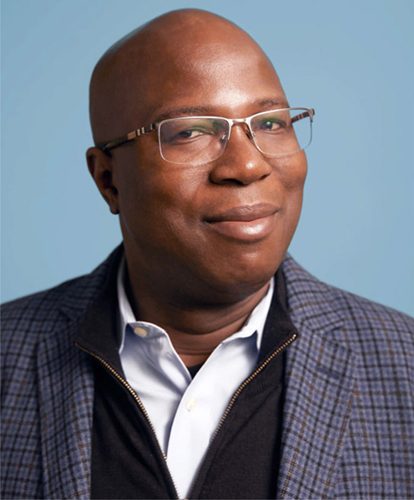
“The math support was really important because I’d been out of school for so long, and, with anything, if you don’t do it for a while, you kind of lose it,” he says. “The professors were very personable. You didn’t feel apprehensive to approach them.”
For Ajimal, the critical thinking course offered by the Bridges program gave her the thinking-outside-the-box skills she needed, not only for university, but also for life. “I used to think if I tried something and it didn’t work, that was it. But that course taught me that, when you are faced with a problem, you think about it from multiple perspectives. You think of the different options you can take…if one option doesn’t work, then you try the next.”
The Bridges support doesn’t end when students start their undergraduate degrees. Edwards notes that imposter syndrome often creeps in when students are surrounded by classmates who are more privileged. “If you’re in a place where you don’t think you’re smart enough and you don’t think you deserve to be there, all those negative inner voices are coming into your head.”
As the case co-ordinator, Pinto helps students overcome these feelings by reminding them of the strength they’ve shown in overcoming numerous obstacles. “I tell students, ‘I’m a mirror and I’m going to reflect your strengths back to you.’ We’re often our worst critic and we see our weaknesses, not our strengths,” she says.
Pinto is well aware that her students are not used to receiving help, so they’re not used to asking for it. She encourages the students to drop-in any time, and is proactive about calling them, usually once a week.
“I felt as if they would not allow me to fail. It’s not like they would bend rules or anything but they were on it. Are you okay? Is there anything we can do to help?” recalls Mohammed. When Mohammed failed to pay his tuition in time, for instance, Pinto called him. She talked through options with him, and told him about a bursary he could apply for, which ended up covering much of his tuition.
Mohammed completed his bachelor’s degree in marketing at Ryerson and is now the marketing research and analytics manager of the Women’s Executive Network, where he encourages top companies to include more women on their boards of directors. When Edwards thinks of Mohammed’s journey, he chuckles in awe. “Isn’t that just amazing? Daniel used to work in construction and now he’s working at the Women’s Executive Network. It’s absolutely awesome.”
