 Skip navigation
  Previous Page


PRO FILES
REA50NS
to love Seneca

What makes Seneca unique? Where to start? To celebrate our 50th, here are 50 quick facts that make us love Seneca.
1
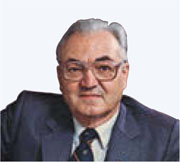
We have a visionary founding president
Dr. William T. Newnham provided the foresight that influences Seneca’s direction to this day.
2
We had the first degree
In 2002, Seneca became the first Ontario college to offer a degree program.
3
You can learn on your time
The Faculty of Continuing Education and Training has 70,000+ registrants learning before and after work, and online.
4
We believe in new beginnings
Programs like College Opportunities and Youth to Postsecondary help remove barriers to postsecondary dreams.
5
We can fly
Planes, that is. Our grads are pilots for Jazz, Porter, Sunwing and Air Canada, giving our Aviation Technology program global recognition.
6
Language matters to us
The English Language Institute helps international students improve English skills before starting their programs.

7
We own the six o’clock news
Whether it’s at dawn or dusk, chances are you’ll hear a Seneca graduate like David Common delivering the news.
8
We can drive a fire truck
Pre-service Firefighter students drive fire trucks as part of their training. And they get to honk the horn.
9
We believe in #SenecaKindness
The @SenecaCollege social media team helps relieve stress during exams with free coffee, therapy dogs, and, of course, #SenecaSelfies.

10
Historically, we are well-dressed
The Fashion Resource Centre has inspired fashion design students with more than 10,000 garments dating back to the 1800s.

11
It’s a great place to fall in love
Premier’s Award winner Marc Caira met fellow Business student Helan Peros here. They’ve been married almost 40 years.

12
We have our own lake
And King Day Camp welcomes 2,800 campers each summer who swim and canoe on it.

13
We have a tipi on campus
Seneca’s Indigenous roots are also celebrated and shared through an expanding space for First Peoples@Seneca.
14
Sheep, horses and kittens, oh my!
Veterinary students at King Campus look after all kinds of animals, some of which live in Sir Henry Pallet’s barn.
